Nitrous Oxide Sedation
When nerves get in the way, nitrous oxide helps you breathe through it.
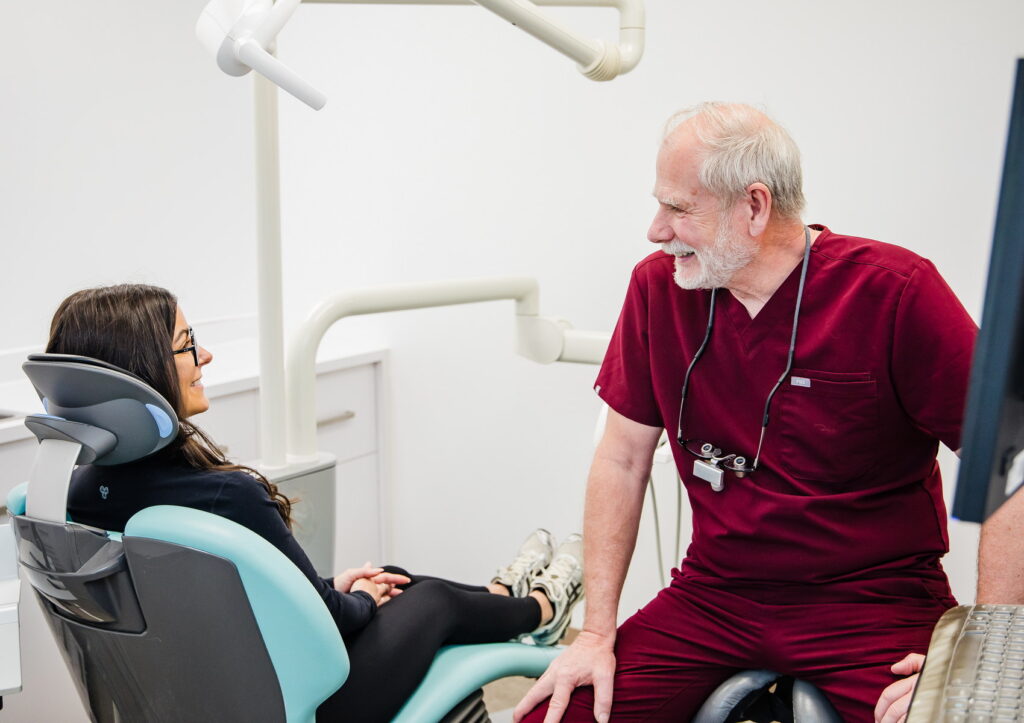
For some people, the chair feels like any other seat. For others, it feels like a trap. You sit down and your chest tightens. Your jaw locks. Your body’s already bracing for pain—even if none’s coming yet.
That’s where nitrous oxide can help. It’s a light sedative gas, breathed in through a small mask. No needles. No medication to remember. Just calm, steady air that helps soften the panic and bring your breathing back to normal. You stay awake. You stay aware. But the fear doesn’t take over.
Relief that shows up quickly—and leaves just as fast.
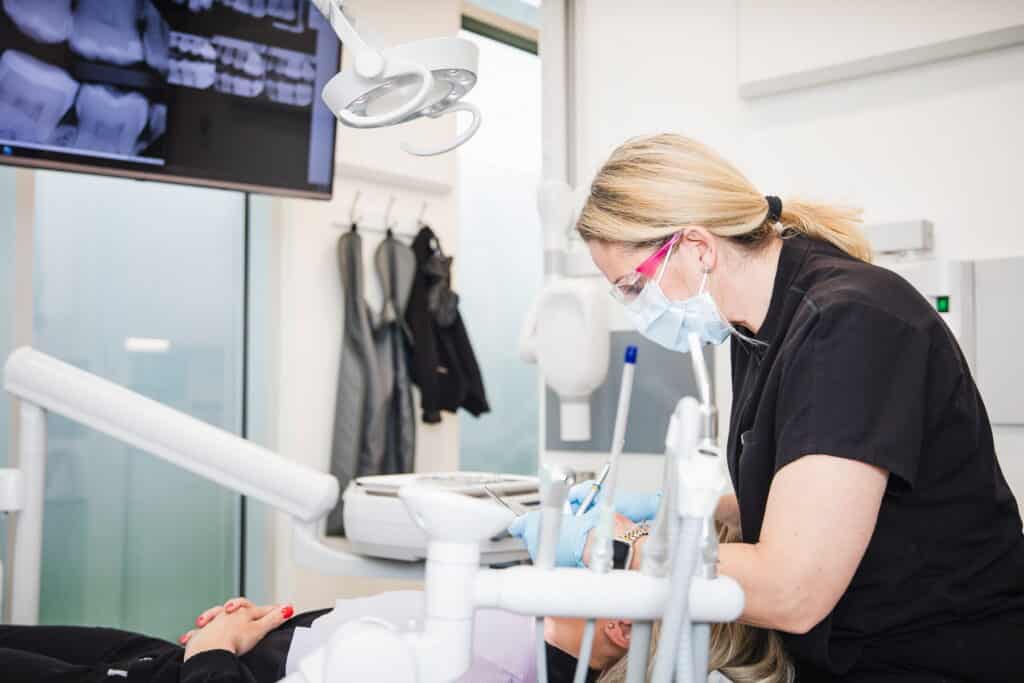
Nitrous oxide isn’t for every appointment. But when fear makes it hard to show up—or sit still—it can change everything. Dentists often use it before root canals, tooth extractions, or even long cleanings if you’re prone to anxiety.
The gas starts working in a minute or two. You might feel light, or warm, or like the room just softened a bit. Your muscles ease. Your thoughts quiet down. And because the effects wear off quickly once it stops, there’s usually no need to cancel the rest of your day.
A mask. A few breaths. And a different kind of dental visit.
Your dentist will place a small mask over your nose. You breathe in, slow and steady. That’s it. No pills to take beforehand. No waiting around afterward. Just gentle sedation that fades on its own when you’re done.
Some people feel giggly or floaty. Some get quiet. Some feel nothing but a sense of ease. When the treatment’s finished, you’ll switch to oxygen for a few minutes to clear out any leftover gas. That helps you feel clear-headed again—grounded and ready to go.

Your nitrous oxide sedation questions, answered.
Breathe easier at your next appointment.
If anxiety has been holding you back, nitrous oxide can take the edge off—without knocking you out or derailing your day. It’s one of the simplest ways to stay calm, stay present, and still get through the visit.