Extractions
When a tooth can’t be saved, removal becomes part of the healing.
It’s not the conversation anyone wants to have. You sit down expecting a plan—a filling, a crown, something that keeps everything in place. And then your dentist says, “It’s time to take it out.”
That moment brings hesitation. Maybe even doubt. But if they’re recommending it, it’s not out of convenience—it’s because keeping the tooth might cause more harm than letting it go.

A failing tooth doesn’t just sit still—it affects everything around it.
Sometimes it’s decay that’s gone too far. Sometimes the bone around the tooth has weakened. In other cases, it’s pressure—a back molar shifting into its neighbour, or crowding that creates more risk than room.
Extraction isn’t always urgent. But when the time comes, doing it early can prevent complications that are harder to undo.
Situations where extraction may be the best choice:
• A crack or break that reaches below the gumline
• Recurrent infections that haven’t cleared with treatment
• Bone loss that’s loosened the foundation of the tooth
• Teeth pushing out of position due to lack of space
• Preparation for orthodontics in a crowded arch
Your dentist will talk you through every part—and give you time to ask questions.
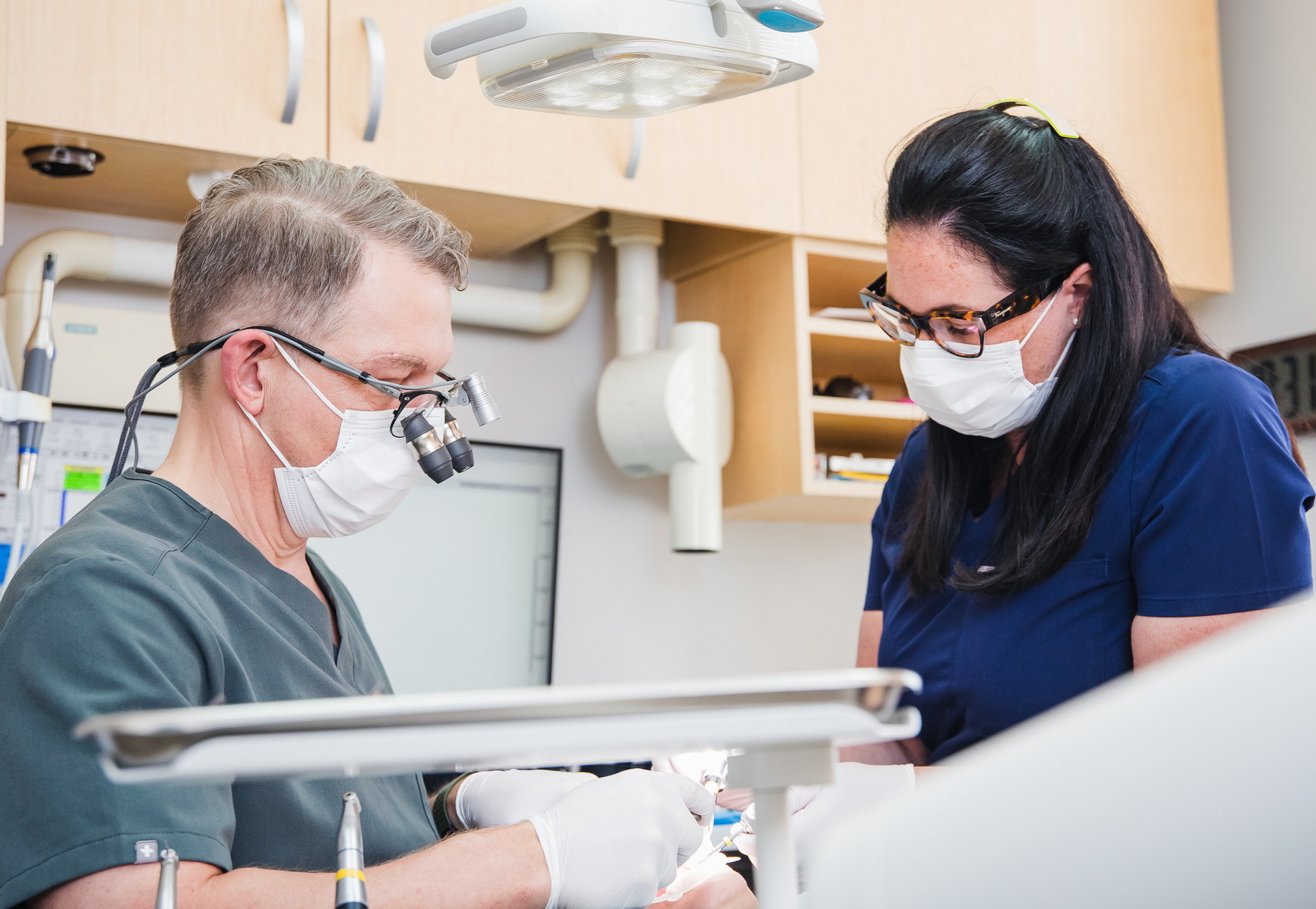
Most extractions are simple and quick. The area is numbed fully. The tooth is gently loosened and removed. If the tooth is trapped or sits below the gum, a small opening may be made to reach it. Gauze is placed to form a clot. In some cases, stitches help support the area as it begins to heal.
You’ll leave with clear instructions—and a number to call if anything feels off later.
Here’s what usually happens:
• Freezing is applied to ensure the area is numb
• The tooth is removed slowly and carefully
• Bleeding is managed with gauze
• A short list of aftercare tips is sent home with you


Your dental questions, answered.
Letting go of a tooth doesn’t mean letting go of your smile.
If extraction is on the table, you’ll have a voice in the process. You’ll be supported before, during, and after — with a plan that makes sense for your health, your comfort, and what comes next.