Needle Free Restorations
Getting a filling doesn’t have to mean getting a needle.
For some people, the thought of a dental needle is worse than the cavity itself. That pinch, that pressure, that numb feeling that lingers long after the work is done—it’s enough to make you put off care entirely.
Needle-free restorations are changing that. Using air abrasion or laser tools, your dentist can remove decay and place small fillings—without injections, without freezing, and often without discomfort. It’s quick. It’s quiet. And it might be the thing that helps you finally stop putting it off.
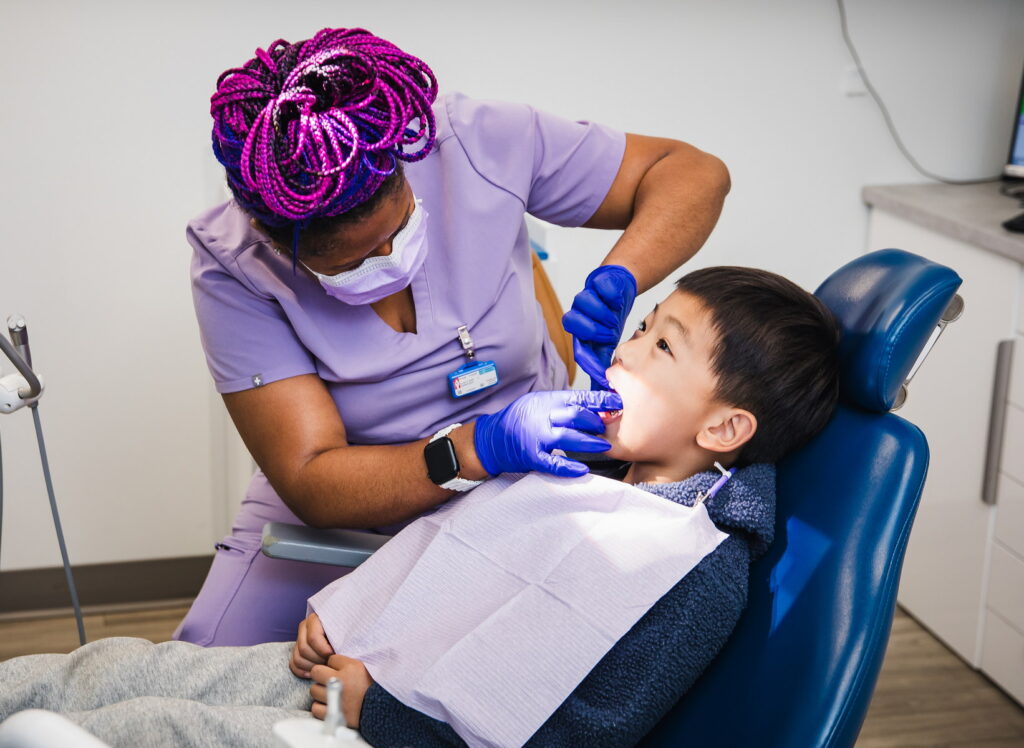
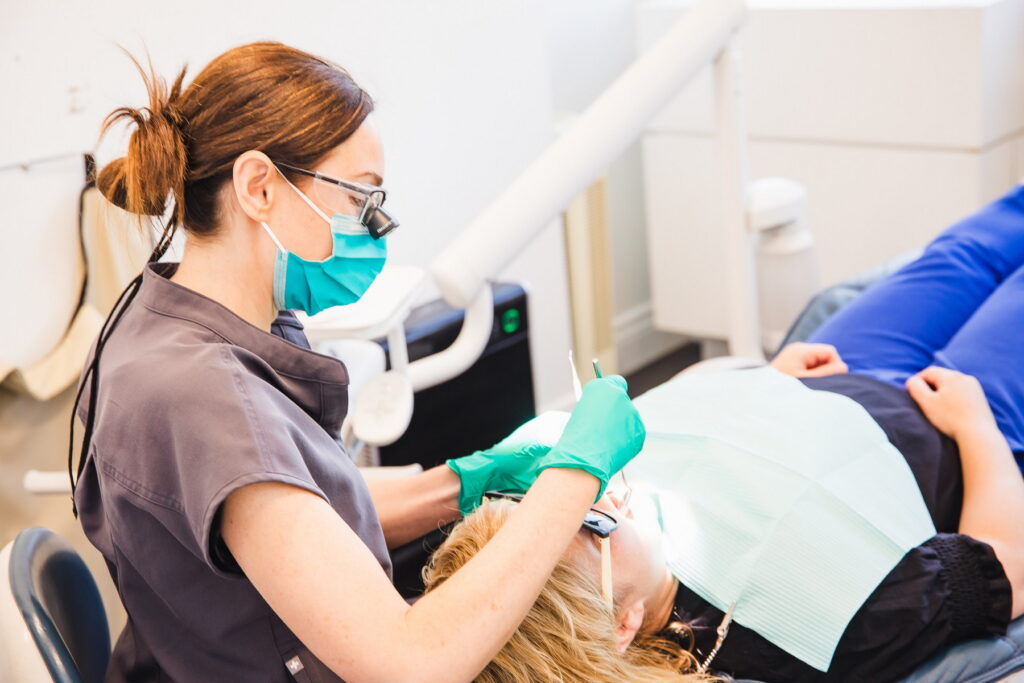
Small repairs—done gently, done early.
Needle-free options work best when the issue is caught early. That means no deep decay, no major cracks—just small cavities or weak spots that need attention before they get worse.
These minimally invasive techniques use focused air or light to remove damaged enamel, then fill and seal the area right away.
It’s a good fit if:
• You’re anxious about needles or freezing
• You have a mild cavity caught in time
• You want a faster, quieter visit
• Your child needs a filling—and you want it to be smooth
Not every case is a match, but when it works, it works beautifully.
A lighter touch—with real results.
Needle-free fillings can often be done in a single visit. No numbing, no downtime, and often no need for a drill. You’ll be sitting up and ready to eat, talk, and move on with your day—right away.
Your appointment might include:
• Digital scans or x-rays to spot early decay
• Gentle removal of damaged material with air abrasion or laser
• Tooth-coloured filling placed and polished on the spot
• A conversation about how to stay ahead of future issues
If your case calls for deeper work, we’ll let you know—and walk you through your options without pressure
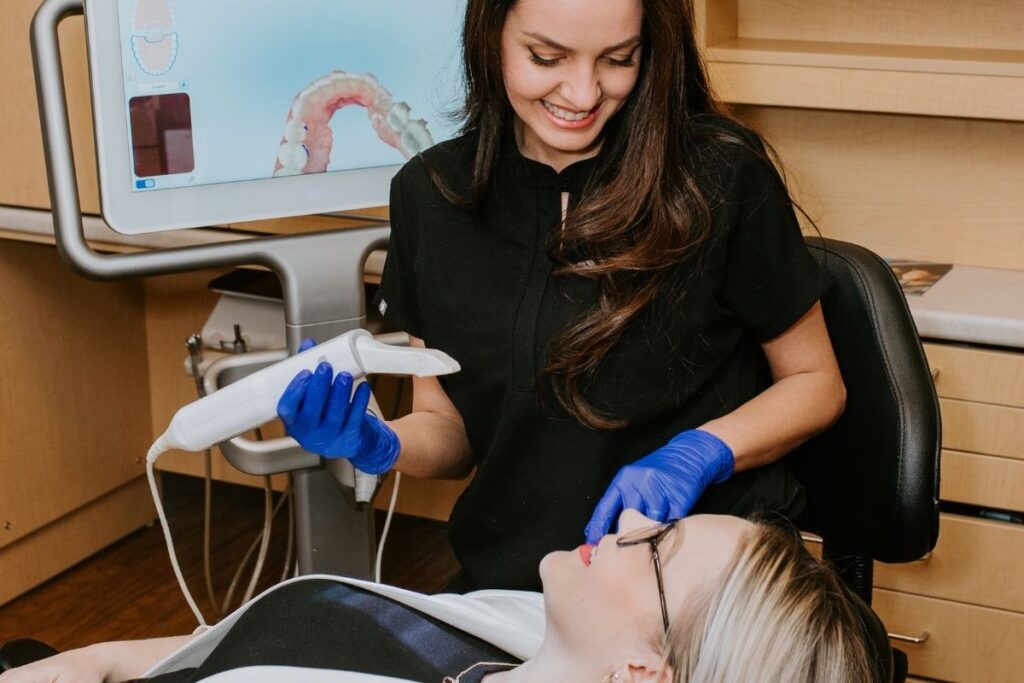

Your dental questions, answered.
Gentle care. No needle. Just what’s needed.
If you’ve been putting it off because of the needle—now there’s another way. Let’s get it handled with comfort and ease.