Dental Implants
Dental Implants Near You: A Long-Term Solution | Costs & Services
Dental implants may be the best way to replace missing teeth because implants look much like natural teeth. Once the artificial replacement teeth are in, they function like your own natural teeth, allowing you to live without thinking about the gap in your teeth ever again.


Dental implants: a long-term solution for missing teeth
Losing a tooth hits harder than most people expect. It’s not just the gap; it’s how you chew, how you talk, and how you feel about your own mouth. A dental implant is an artificial tooth root that doesn’t just fill the space; it provides a tooth replacement that feels solid, steady, and like it belongs. And once it’s in, it’s in. You can go back to living your life without thinking about it.
A fix that goes beyond appearance
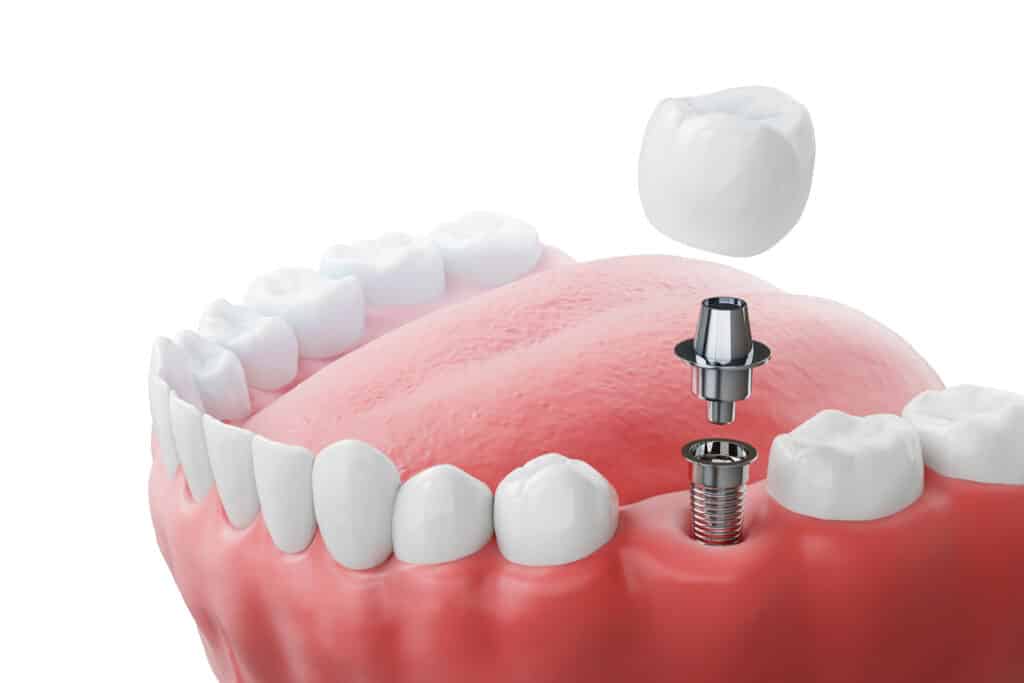
This implant dentistry procedure starts with a titanium post placed into the jawbone, where your natural root used to be. After healing, a custom tooth is added on top. It doesn’t shift, doesn’t come out, and doesn’t rely on other teeth to stay in place. For many people, that’s what makes the difference: not just the look, but the freedom to eat, speak, and smile with ease again.
A dental implant might be a good choice if:
- one or more teeth are missing;
- you want replacement teeth that won’t move or slide;
- your teeth and gums are healthy and your bone can support it;
- you want to leave the teeth next to the missing tooth alone;
- you’d prefer a long-lasting solution without daily fuss.
Dentists often recommend implants when bridges aren’t the right fit, especially if keeping the rest of your smile untouched is a priority.
The steps in the dental implant procedure
The process can take several months, as it may take time for the bone to heal around the implant. Here are the typical steps involved in the surgery:
- Initial consultation: A general dentist or restorative dentist performs a dental exam to see if you have enough healthy bone to be a candidate for dental implants.
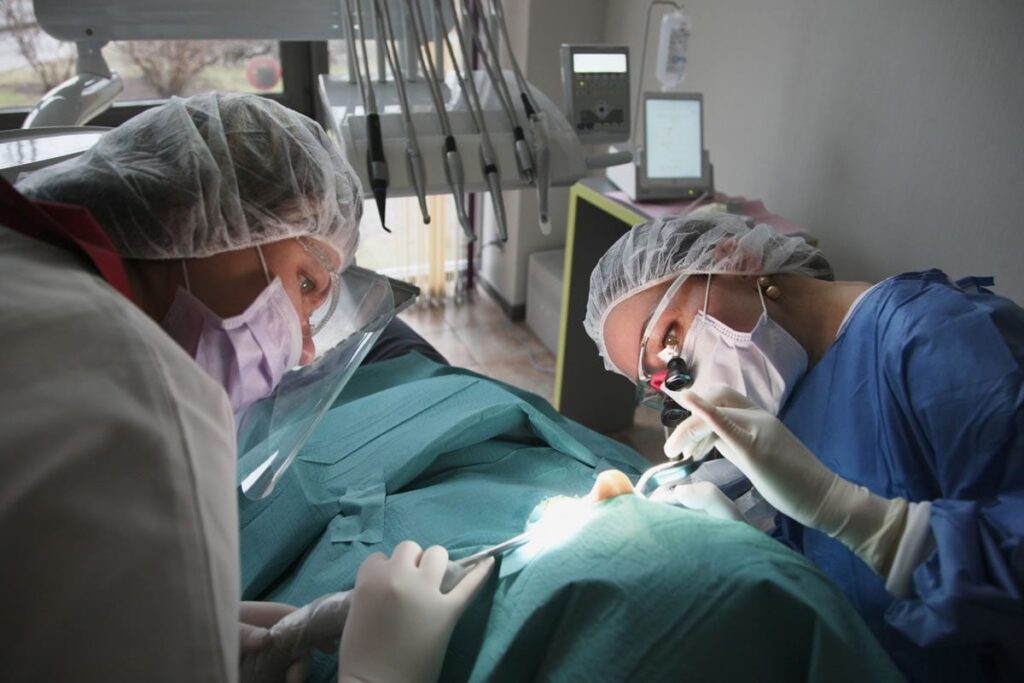
- Surgical procedure: The titanium post is surgically inserted during a minor surgical operation performed under local anaesthesia, so there is minimal pain.
- Osseointegration: The bone takes a few months to fuse around the implant.
- Abutment placement: Your dentist may attach an abutment (an implant abutment is what holds the crown in place).
- Dental checkups: You’ll come back for periodic checkups to ensure that the new artificial tooth is attached to the implant post and holding strong.
Sometimes, you’ll need a bone graft before the implant. If so, your dentist will walk you through everything at your own pace, with absolutely no pressure.

Your dental questions, answered.
Explore dental implant options near you.
Some things you can live without. A tooth isn’t always one of them. If you’re thinking about dental implants—or just want to talk through what’s possible—we’re here to help.